by Annette Elton [1]
Step into In-Courage in San Antonio, and you'll see three items near the point of sale: a basket of chocolate-covered sunflower seeds, a drawer display of Lady Primrose lip balm, and a seasonal item such as a talking gnome or a singing mariachi bear (which owner Patti Harbin has found is extremely popular during the city's Fiesta celebration). What do these three things have in common? They're all strategically placed to generate impulse buys.
The most comprehensive study of impulse purchases was performed in 2002. According to the study, conducted by Leo J. Shapiro and Associates for Marketing Support Inc. of Chicago, almost one-third of all consumers make a sizable impulse purchase every week. The median purchase was reported to be $30. Of specific interest to gift-store retailers, the study found that about 25 percent of impulse purchases are made in specialty stores.
Susan Noyes, manager of retail operations at the Shops at South Shore Hospital, in South Weymouth, MA, says instant gratification plays an important role in impulse buying.
So what factors constitute a good impulse product?
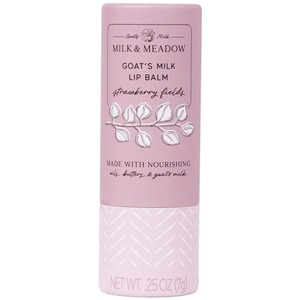
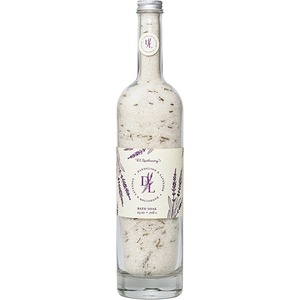
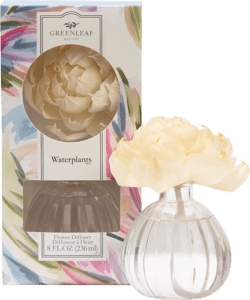
It should attract attention. Color plays a big role, says Noyes. Products that are noisy, sparkly, jiggly, furry, fuzzy or soft also work. The ability for a customer to interact with a product—touch it, smell it, taste it, even push a button and listen to it—helps increase impulse buys. "Get them to touch it," says Noyes, "once they touch it, they have to have it most of the time." This is when color, texture and purpose of an impulse item come into play. A fuzzy bear, a sparkly lip balm and an item that makes noise are all options for point-of-sale impulse buys, because they motivate customers to pick them up.
It has to be uncomplicated. Harbin says that impulse products shouldn't require explanation or demonstration. Harbin says the key to an impulse purchase is to not have the emotional impulse interrupted. "If they have to ask you for information, it creates that little bit of time for them to think on it, and it will kill the impulse," she says. If the item's use is apparent, like lip balm or jewelry, customers are more likely to make an impulse buy. "If you want the customer to pick it up and buy it, especially while they are waiting to check out, then it has to be evident as to what it is," says Sylvia Killion, owner of Sylvia's By The Sea and The Runway at Sylvia's in Scituate Harbor, MA.
Another important contributor to successful impulse items is the ability for the customer to have a personal connection to a product. Custom jewelry and personalized items, such as mugs and key chains, work for this reason. Doug Fleener, retail consultant and owner of Dynamic Experiences Group, in Lexington, MA, says products that "tell a bit of a story" work well for specialty retailers.
A good impulse item is small and can be picked up easily, especially while purchases are being rung up.
While the point of sale is a common location, it isn't the only place in the store that can be used to promote impulse buying. Retail consultant Lynn Switanowski, owner of Boston-based Creative Business Consulting group, a retail consulting firm, says related impulse items can be grouped around a prominent seller. For example, you can place items that might belong in a handbag—lip gloss, eyeglass holders and pens—around a display of handbags.
Using this principle, Harbin has strategically placed a WellSpring Flip Note display in her stationery area, and has found that location has worked extremely well for impulse buys. "It is just so hot," says Harbin. "You have that display sitting right there, and it's not in your face, it goes along with the stationery."
Harbin has also found that frequency or repetition throughout a store helps to encourage impulse purchases. For example, a collection of candles can be displayed in the candle area of a store, with the bath-and-body display, in the dinnerware area and in a birthday area and integrated into the display. It works so well that Harbin has developed a store slogan she shares with her staff: "Repetition makes the purchases grow larger."
Of course, the point of sale is one of the best places to encourage impulse shopping because customers are already in a purchasing frame of mind while they are there. Killion says she often thought impulse buying was driven by price, but has seen that location is important too. Her store has done best with products in the front of the store, near the checkout.
Fleener cautions against placing too many products at the point of sale. "Unfortunately, what a lot of retailers do is just try to cram as much into that space as possible, so you can't even put your product down that you're buying," says Fleener. The key is prominence and customers' ability to interact with the product. If items are stacked, they won't stand out, and a customer won't touch or interact with the items.
One of the most important ways to encourage an impulse purchase is to create the right display. Make your displays eye-catching and prominent. Colorful displays (especially when color is grouped dramatically for effect) are a tremendous way to attract attention. When items compete for attention, they can be overlooked. Have your displays focus on one main impulse item positioned near the front of the store, or to the right, as customers walk in, so it is the first thing they see.
Keeping impulse items fresh is important. If a customer visits your store monthly and sees the same impulse items at the counter, they will lose their impact. How often you change your display depends upon how frequently an average customer visits your store, advises Fleener. Changing every month or two is generally advised. However, Fleener also stresses that choosing unique and interesting impulse items is more important than switching items frequently.
Customer interaction is the other critical aspect of an impulse purchase. Often it only takes a sales associate or a cashier to point out the product, and a customer will add it to their sale. Here are some good examples of staff-initiated customer interactions:
Opportunity also plays a role in the occasional impulse buy. Each holiday presents an opportunity to showcase an impulse item. Capitalize on Valentine's Day by setting out stuffed animals and candy, and take advantage of Christmas by placing ornaments. Retailers who set out umbrella displays on rainy days are capitalizing on opportunity.
Impulse buys can add a significant amount to retailers' bottom lines each year. Learning to merchandise impulse items to catch customers' eyes, making the items accessible to customers, taking advantage of opportunities to sell and simply pointing impulse items out to customers can have a dramatic effect on impulse sales.
One of the prime locations to encourage impulse buys is near the cash register. Most marketing experts recommend that you also collect customer data for use in marketing campaigns, at the cash register. Does one good cancel out the other?
Patti Harbin of In-Courage in San Antonio, TX, says the answer is definitely no. Harbin says she always collects data and always asks customers if they are on the mailing list whether they make purchases or not.
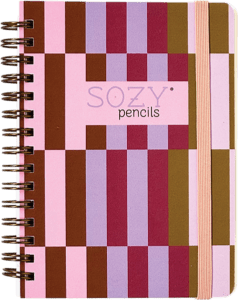
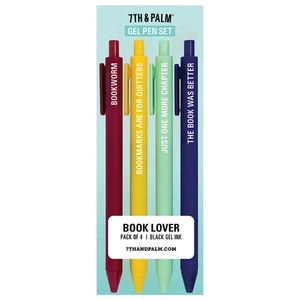
In a smart move, Harbin sells both the pens with which the customers write in the data and the books they write on, as impulse buys. Harbin says both products sell continuously.
"One of the pens that we use regularly for customers to sign the registry is a $21.95 pen. Believe it or not, we constantly sell out of this pen. This truly amazes me!" Harbin says. She calls it all a win-win situation: gathering customer data and increasing sales at the same time.
Lynn Switanowski, retail consultant for Creative Business Consulting Group in Boston, MA, agrees with Harbin. "Retailers don't have to sacrifice one for the other," she says. "One way to accomplish collecting customer information and encourage impulse shopping is to have stores offer an immediate discount for filling out the information," she says. This means customers can get a discount on their original purchase as well as the impulse buy. "The discount offered with the exchange of information can actually encourage impulse shopping," she says.
On the other hand, retailer Sylvia Killion from Sylvia's By The Sea in Scituate, MA, worries that one mission does indeed dilute the other.
"I do think it does take away from impulse shopping if you are going to distract your customer and ask them questions while they are standing there looking around," she says.
She instead suggests inserting response cards in customers' shopping bags and encouraging them to return them. "Offer a discount for everyone who returns it filled out, or offer something for their participation," Killion advises.
An add-on sale differs from an impulse purchase because it is anchored to something the customer is already going to purchase. Product knowledge and education are key ingredients to a successful add-on sale.
Train your staff to understand that securing add-on sales is part of being a salesperson, and that it is critical to enhancing the customer experience. "Training staff on what looks great with what really helps," says Sylvia Killion, owner of Sylvia's by the sea and The Runway at Sylvia's in Scituate Harbor, MA. "For example, if the customer brings up an apron, staff should ask if they saw the matching mitt and potholder."

KikkerlandWellspringTeam TinsAcme Studio

Bug CatcherzCrazy RumorsPocket Peepers

Kelly ColleenCellar Art

EnvirosaxDo Not DisturbFresh Body Market

C.R. GibsonBaekgaardKidorable

TwistWild Women JewelrySchleeh Design
In-Courage
210.479.2211
In-Courage.net [2]
The Shops at South Shore Hospital
781.340.3470
SSHosp.org [3]
Sylvia's By The Sea
781.545.6060
SylviasByTheSea.com [4]
Industry Experts
Creative Business Consulting Group
617.437.9191
CBC-Group.net [5]
Dynamic Experiences Group
866.535.6331
DynamicExperiencesGroup.com [6]
Marketing Support Inc.
312.565.0044
MSInet.com [7]